Introduction to Bacteriostatic Water
If you work with research peptides, you’ve probably heard the term “bacteriostatic water” (bac water) come up a lot, and that’s not by accident. For you to properly handle your peptides with bac water, you must first understand exactly what it is, how it works, and why it’s used.
What Bacteriostatic Water Is and How It Differs from Sterile Water
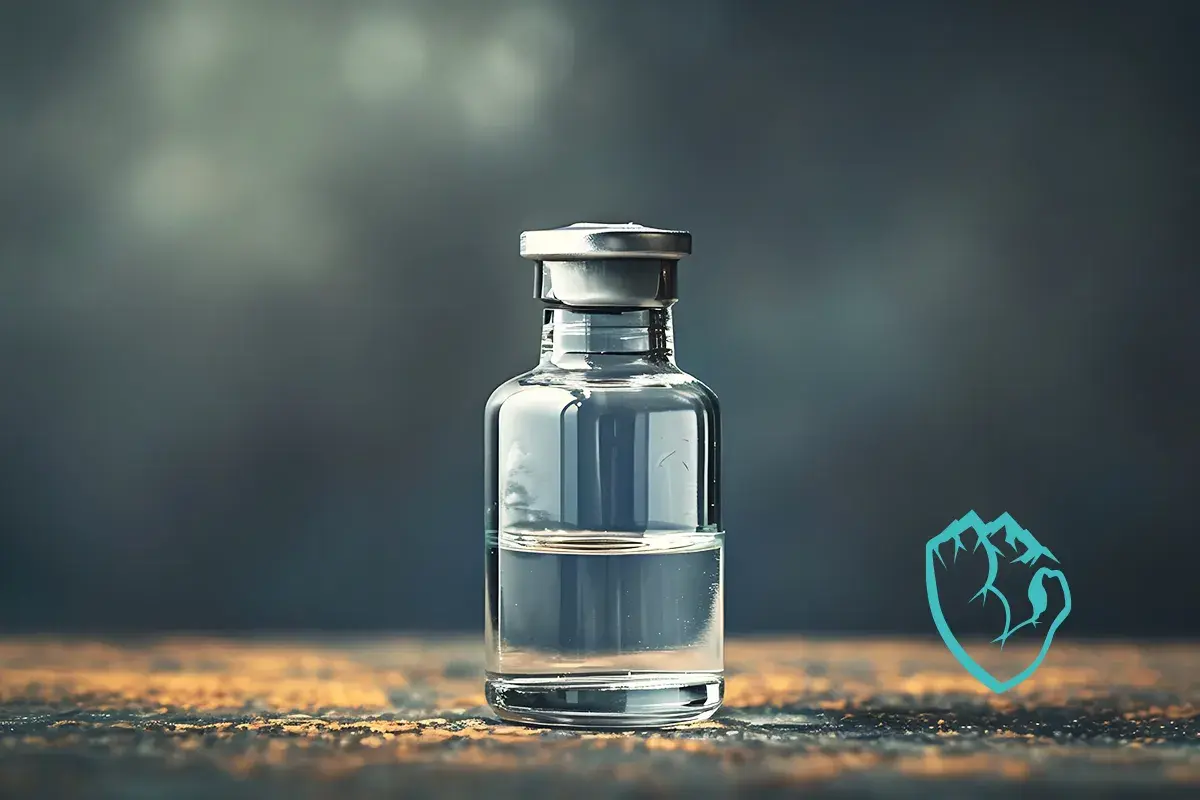
It is sterile water that contains a small amount of benzyl alcohol, which acts as a preservative to slow down bacterial growth. Although it doesn’t kill bacteria, it does help prevent them from multiplying, making it safer for your specific peptide when stored in a multi-use vial. [R]
Don’t forget that the difference between sterile water and bacteriostatic water for peptides comes down to protection after you open them. Even if sterile water is clean and bacteria-free with your first use, it still offers no ongoing protection once the vial is accessed. The good thing is that bacteriostatic water continues to slow bacterial growth after opening, especially if you follow proper sterile techniques. So it’s a preferred solvent for maintaining peptide stability and reducing your risk of contamination. [R]
Benefits of Using Bacteriostatic Water for Peptides
- Bacteriostatic water can give you improved peptide stability and prolonged shelf life. Remember that using it for your peptide solutions can help slow bacterial growth after reconstitution, which can make your peptides more stable and usable for longer. [R]
- It may also help you to have a reduced risk of contamination. Although no method is completely risk-free, available studies still show that bacteriostatic water can lower your chance of bacterial contamination. Even if you compare it to plain sterile water, especially for multi-use vials. [R]
- Bacteriostatic water for peptides may be ideal for your situation when you plan to use a vial multiple times. So its ability to slow bacterial growth can save you time and reduce your waste. [R]
Common Misconceptions About Bacteriostatic Water
Even if bacteriostatic water for peptides can help reduce bacterial growth. It does not replace careful handling, proper hygiene, or safe storage. So even with this solution, your peptides can still degrade or become contaminated if you don’t follow standard precautions. [R]
It’s also important for you to know that not all diluents are the same. Just like how sterile water, saline, and bacteriostatic water each serve different purposes. That’s why your most suitable option depends on how you plan to use your peptides. And how long do they need to stay stable after reconstitution? [R]
Keep in mind that it is only a helpful support tool for peptide stability. Therefore, it’s not a shortcut or a guarantee. Once you’ve got the hang of combining it with sound-handling practices, it boosts the effectiveness and safety of your peptides. [R]
Safety Tips and Handling Guidelines
- Proper storage conditions: Always store your peptides mixed with bacteriostatic water in a cool and controlled environment. [R]
- Avoiding contamination: You must keep your vials sealed when not in use and limit their exposure to any air and surfaces. [R]
- General hygiene practices matter. Don’t forget that it can only work best once you pair it with its standard handling procedures, such as proper storage and careful handling. [R]
Conclusion
Overall, it is really important in supporting peptide stability. It can also reduce bacterial growth and make your multi-use vial handling safer. Don’t forget that you must still practice proper storage, clean handling, and good hygiene, especially if you really want to avoid contamination during preparation and while using your peptide supplies.
The good news is that at Iron Mountain Labz, they focus on quality and education, so you can feel confident in every step of your peptide handling routine. Here, you can trust that their bacteriostatic water maintains purity and remains reliable up to its expiration date, keeping your peptides stable and safe for a long time.
FAQs
Can bacteriostatic water be used with all types of peptides?
Not always. Remember that some peptides have specific requirements. That’s why it’s important for you to follow your product manufacturer’s guidance.
How long can peptides last after being mixed with bacteriostatic water?
Most peptides that are mixed with it can remain stable for about 2 to 4 weeks, especially when you store them properly (2–8°C). However, take note that it still depends on your peptide and storage conditions.
Can bacteriostatic water be used for multiple uses safely?
Yes. Although it’s designed to reduce the spread of bacteria despite your regular use, careful handling is still important to match the benefits of your bacteriostatic water.
What happens if bacteriostatic water is stored incorrectly?
Improper peptide storage can reduce the effectiveness of your peptide, which eventually increases your risk of contamination.
Are there alternatives to bacteriostatic water for peptide reconstitution?
Yes. You might be able to find alternatives like sterile water or saline. However, each still has its different uses and limitations.