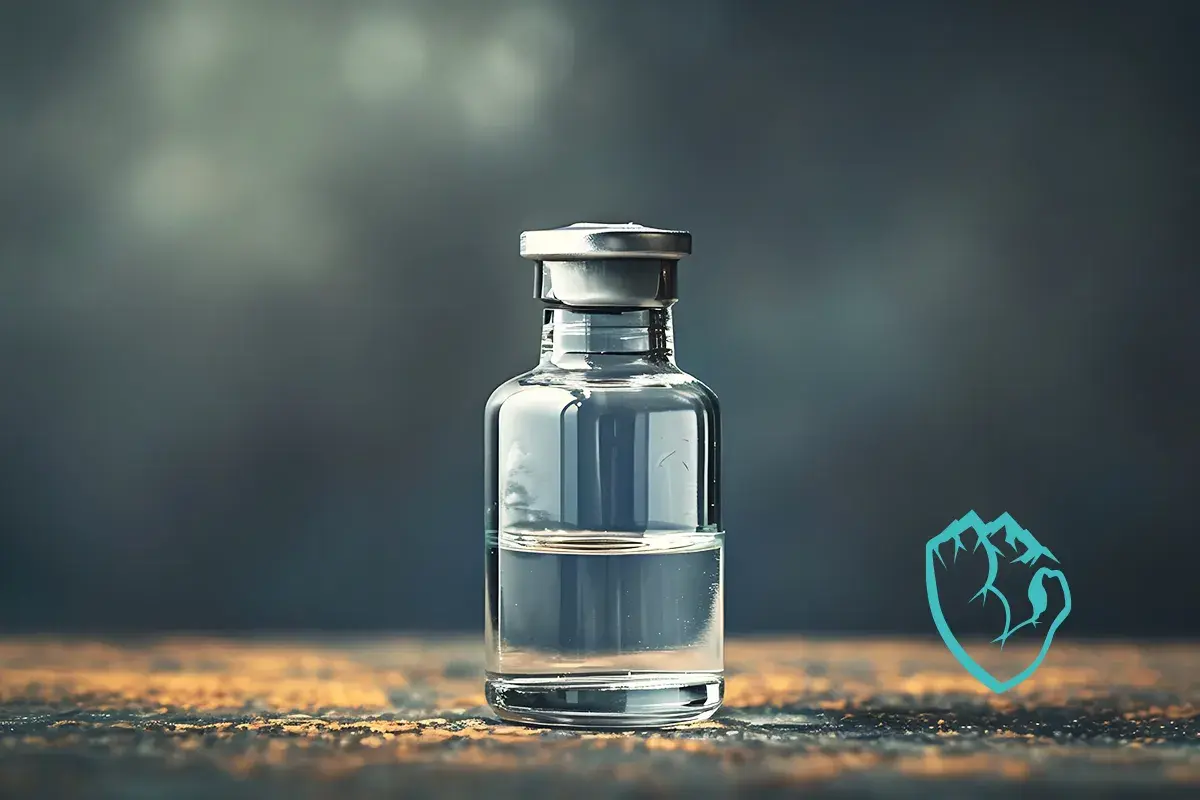
Bacteriostatic water is typically stored at controlled room temperature (15–25°C / 59–77°F) before opening. After first vial puncture, many clinical settings recommend refrigeration at 2–8°C (36–46°F) and following the manufacturer’s specified discard period.
Bacteriostatic water for injection (BWFI) is a sterile, nonpyrogenic aqueous solution containing 0.9% (9 mg/mL) benzyl alcohol as a preservative. Its pH is typically within a physiologically compatible range defined by the manufacturer. Proper storage helps maintain sterility and product integrity.
What Are the Storage Conditions for Unopened Bacteriostatic Water?
Unopened bacteriostatic water is generally stored at 15–25°C (59–77°F) in a clean, dry environment away from direct sunlight and freezing conditions.
Shelf life is determined by the manufacturer and is commonly up to 2 years, depending on formulation and packaging.
Unopened vials should be stored upright to reduce the risk of seal compromise or leakage.
Key Storage Parameters (Unopened Vials)
| Parameter | Specification | If Not Followed |
| Temperature | 15–25°C | May affect product stability and sterility |
| Light exposure | Avoid direct sunlight | Possible degradation of container or contents |
| Orientation | Upright storage | Increased risk of seal or leakage issues |
How Should Bacteriostatic Water Be Stored After Opening?
After the first puncture, bacteriostatic water is commonly stored at 2–8°C (36–46°F) and used within the discard period specified on the manufacturer label, often around 28 days in clinical practice.
The benzyl alcohol preservative helps reduce microbial growth after opening, but it does not guarantee sterility.
Why Is There a Post-Opening Discard Period?
The post-opening discard period exists because:
- Sterility can no longer be fully guaranteed after first puncture
- Preservatives slow microbial growth but do not eliminate contamination risk
- Risk of contamination increases with repeated vial access
For this reason, healthcare and laboratory settings typically follow a fixed discard timeframe (commonly 28 days), unless otherwise specified by the manufacturer.
Does Bacteriostatic Water Require Refrigeration Before Opening?
Unopened bacteriostatic water does not require refrigeration and is normally stored at controlled room temperature (15–25°C).
Refrigeration before opening is generally not required but is not harmful if done properly.
Freezing should be avoided at all stages because it may damage container integrity and affect product quality.
What Happens If Bacteriostatic Water Is Stored Incorrectly?
Improper storage may lead to:
- Reduced sterility assurance
- Increased risk of contamination
- Potential degradation of container or solution quality
Exact chemical changes depend on conditions and product formulation, and are not typically quantified in standard storage guidelines.
How to Identify Compromised Bacteriostatic Water
Discard bacteriostatic water if any of the following are observed:
- Cloudiness or turbidity
- Visible particles or contamination
- Discoloration
- Expired or past recommended discard period after opening
Even if no visible changes are present, contaminated solutions may still be unsafe.
How to Store Reconstituted Solutions Using Bacteriostatic Water
When used as a diluent for reconstitution, storage conditions depend on the specific compound being prepared.
In general:
- Many reconstituted solutions are stored at 2–8°C
- Stability duration varies significantly by compound
- Manufacturer or validated research data should always be followed
There is no universal stability period for all reconstituted peptides or research compounds.
Should Reconstituted Solutions Be Frozen?
Freezing is generally not recommended for protein-based or peptide-based solutions.
Freeze–thaw cycles may:
- Affect molecular stability
- Increase aggregation risk in some formulations
- Reduce overall consistency of the solution
Storage at 2–8°C is typically preferred unless otherwise validated.
Bacteriostatic Water vs Sterile Water for Injection (SWFI)
| Parameter | BWFI | SWFI |
| Preservative | 0.9% benzyl alcohol | None |
| Use type | Multi-dose use (commonly) | Single-use |
| Post-opening | Used within labeled discard period | Typically immediate discard after use |
| Storage before opening | 15–25°C | 15–25°C |
| Freezing | Not recommended | Not recommended |
BWFI contains a preservative that allows limited multi-dose use under sterile handling conditions, while SWFI is intended for single-use applications.
Quick Reference — Storage Summary
- Store unopened vials at 15–25°C
- Keep away from direct sunlight and freezing
- Refrigerate after opening if required by protocol
- Follow manufacturer discard instructions (commonly ~28 days)
- Do not freeze at any stage
- Inspect for visible contamination before use
Disclaimer
Bacteriostatic water is intended for laboratory or clinical preparation use under appropriate professional guidelines. Storage and handling should follow manufacturer labeling and institutional protocols.
References
- U.S. Food and Drug Administration (FDA)
DailyMed Label: Bacteriostatic Water for Injection
https://dailymed.nlm.nih.gov
(Provides official labeling, storage instructions, and preservative information) - United States Pharmacopeia (USP)
USP–NF General Chapters & Monographs
https://www.uspnf.com
(Defines standards for sterile water for injection and pharmaceutical quality requirements) - World Health Organization (WHO)
WHO Good Storage and Distribution Practices
https://www.who.int
(Guidelines for temperature control, sterility, and pharmaceutical handling) - American Society of Health-System Pharmacists (ASHP)
https://www.ashp.org
(Clinical guidance on sterile product handling and multi-dose vial use) - FDA Guidance on Sterile Drug Products
https://www.fda.gov
(Aseptic handling, contamination risk, and storage principles)