Description
DSIP Research Overview
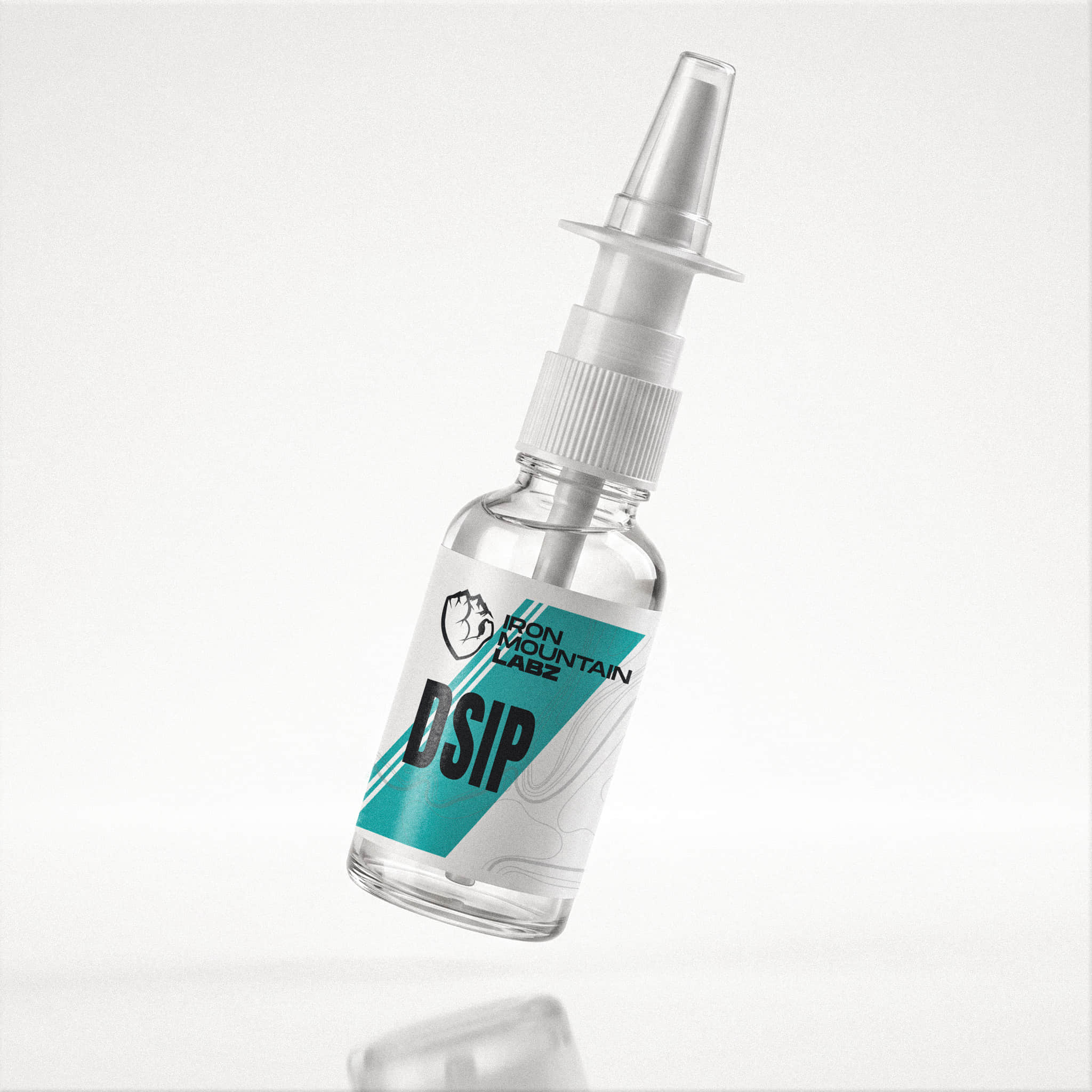
Delta Sleep-Inducing Peptide (DSIP) is a short peptide originally studied for its possible relationship with sleep regulation. Research has explored sleep patterns and other physiological responses, but findings have not established a consistent, well-understood role in human sleep.
How It Works
The biological mechanism of DSIP remains incompletely characterized. Early research proposed that it could influence sleep-related processes, but its effects have varied across experimental settings. The name itself should not be taken as proof that the compound reliably induces sleep.
POTENTIAL RESEARCH INTEREST
- Sleep physiology: Historically investigated for possible effects on sleep onset and sleep patterns.
- Neuroendocrine signaling: Studied for reported interactions with physiological processes beyond sleep.
- Experimental sleep models: May be relevant to research examining how peptide signaling relates to sleep regulation.
The evidence is limited and includes older studies; it does not establish DSIP as a proven treatment for insomnia.
Side Effects and Safety
A dependable modern human safety profile has not been established. Older research does not provide sufficient evidence to determine long-term safety, consistent effectiveness, or suitability across populations.
Dosage
No generally accepted, approved dosage is established for research-grade DSIP. Historical study protocols should not be treated as current clinical recommendations.
Handling & Safety
Follow the handling requirements provided for the specific material and applicable laboratory procedures. Verify identity, concentration, and analytical records with the vendor.
Where to Find DSIP
IML offers research information and may direct readers to independent suppliers. The selected vendor handles product sales, order processing, shipping, and fulfillment.
Affiliate Disclosure
Iron Mountain Labz does not directly supply DSIP. Some links may be affiliate links that provide a referral commission. Vendor claims and documentation should be evaluated independently.