Description
Research Overview
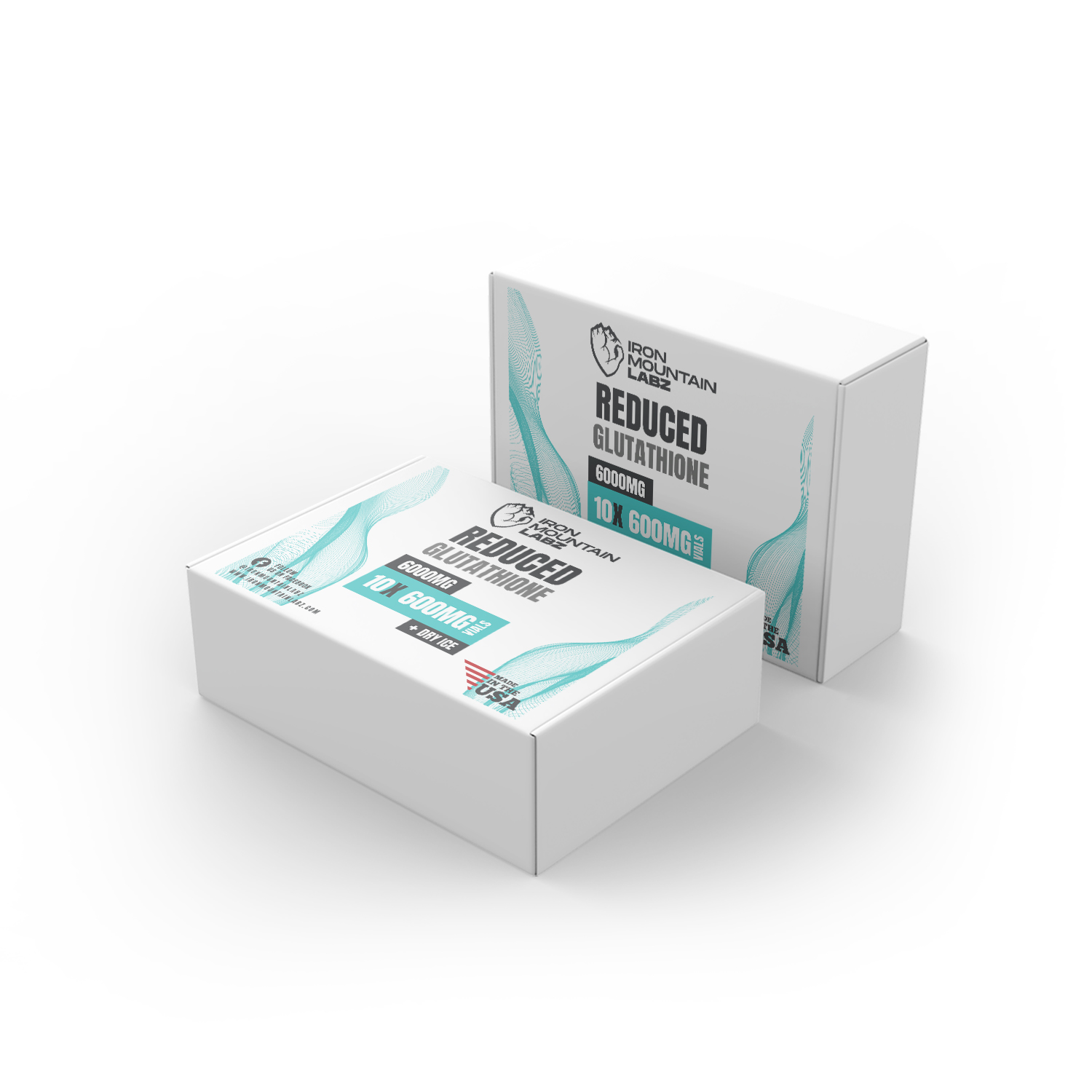
Glutathione (GSH) is a naturally occurring tripeptide made from three amino acids: glutamate, cysteine, and glycine. It is present in many tissues and plays an important role in the body’s antioxidant defence systems. Glutathione is also involved in cellular detoxification processes and the maintenance of normal redox balance.
It is available in several forms, including oral supplements, topical preparations, and injectable products. These formulations differ in absorption, intended use, evidence, and safety considerations. Research has also explored glutathione in relation to skin pigmentation, although the clinical evidence for cosmetic skin lightening remains limited.
How It Works
Glutathione helps neutralise reactive oxygen species and supports the activity of certain antioxidant enzymes. It also participates in cellular detoxification by helping bind and process various compounds.
Research into pigmentation has examined its potential influence on tyrosinase activity and melanin production. However, the proposed biochemical effects should not be confused with proof of consistent or lasting skin-lightening results.
POTENTIAL BENEFITS
- Antioxidant defence: Glutathione helps protect cells against oxidative stress by participating in the neutralisation of reactive compounds.
- Cellular detoxification: It supports biochemical processes involved in the metabolism and elimination of certain substances.
- Redox balance: Plays an important role in maintaining the balance between reduced and oxidised molecules within cells.
- Skin pigmentation research: Investigated for its potential effects on melanin-related pathways, although clinical results vary and do not establish a reliable cosmetic outcome.
- Cellular function: Its role in maintaining intracellular antioxidant systems makes it an important subject in research involving cellular health and metabolic processes.
These functions describe glutathione’s biological role and areas of research. They should not be interpreted as evidence that supplementation treats disease or produces guaranteed cosmetic effects.
Formulation & Available Forms
Glutathione is available in several formulations, including:
- Oral capsules and tablets: Commonly marketed as dietary supplements.
- Powder and liquid preparations: Available in different supplement formulations.
- Topical products: Used in cosmetic formulations, particularly those marketed around pigmentation and skin appearance.
- Injectable glutathione: Supplied in some markets through medical or compounding channels, subject to applicable regulations and product-specific requirements.
Reduced glutathione (GSH) is the commonly referenced active form, while oxidised glutathione (GSSG) represents its oxidised counterpart. Formulation, purity, and route of administration can affect how a product behaves.
Side Effects and Safety
Oral glutathione is generally associated with fewer immediate safety concerns than injectable preparations, although gastrointestinal symptoms and individual reactions may occur. Topical products can cause local irritation or sensitivity.
Injectable glutathione raises more serious safety concerns. The FDA has warned compounders against using dietary-supplement-grade glutathione to prepare injectable drugs after reports of adverse events associated with endotoxin contamination. Reported reactions included fever, chills, dizziness, pain, and signs of shock or sepsis-like illness.
The evidence supporting glutathione injections for cosmetic skin lightening is limited, and serious hypersensitivity and other adverse reactions have been reported. Injectable and oral products should not be treated as interchangeable.
Dosage
There is no single established dosage that applies to all glutathione products or intended uses. Supplement amounts, topical concentrations, and injectable preparations differ considerably. Research protocols should not be interpreted as universal dosing instructions, and injectable use requires appropriate medical and regulatory oversight.
Handling & Safety
Check the exact formulation, ingredient grade, manufacturer documentation, and storage requirements. Injectable glutathione requires appropriate pharmaceutical-grade ingredients and sterile manufacturing controls; dietary-supplement-grade material is not suitable for preparing injectable products.
Where to Find Glutathione
IronMountainLabz provides informational content about glutathione and does not directly sell, stock, or dispense it. Product availability and regulatory requirements depend on the formulation and country. Readers should distinguish ordinary dietary supplements from topical cosmetics and injectable preparations when reviewing supplier listings.
Affiliate Disclosure
IronMountainLabz is an informational affiliate directory, not a pharmacy or direct product supplier. Links may lead to independent third-party vendors and may generate a referral commission. The selected provider is responsible for product specifications, transactions, and fulfillment.
References
- Sarkar R et al. Glutathione as a skin-lightening agent and in melasma: a systematic review. International Journal of Dermatology. 2025;64(6):992–1004.
https://doi.org/10.1111/ijd.17535 - Aloraini K et al. Glutathione for skin lightening via intravenous, oral, and topical routes: a critical narrative review of current evidence, safety, and the evidence-practice gap. Journal of Medicine and Life. 2026;19(7):511–523.
https://pubmed.ncbi.nlm.nih.gov/42751591/