

Description
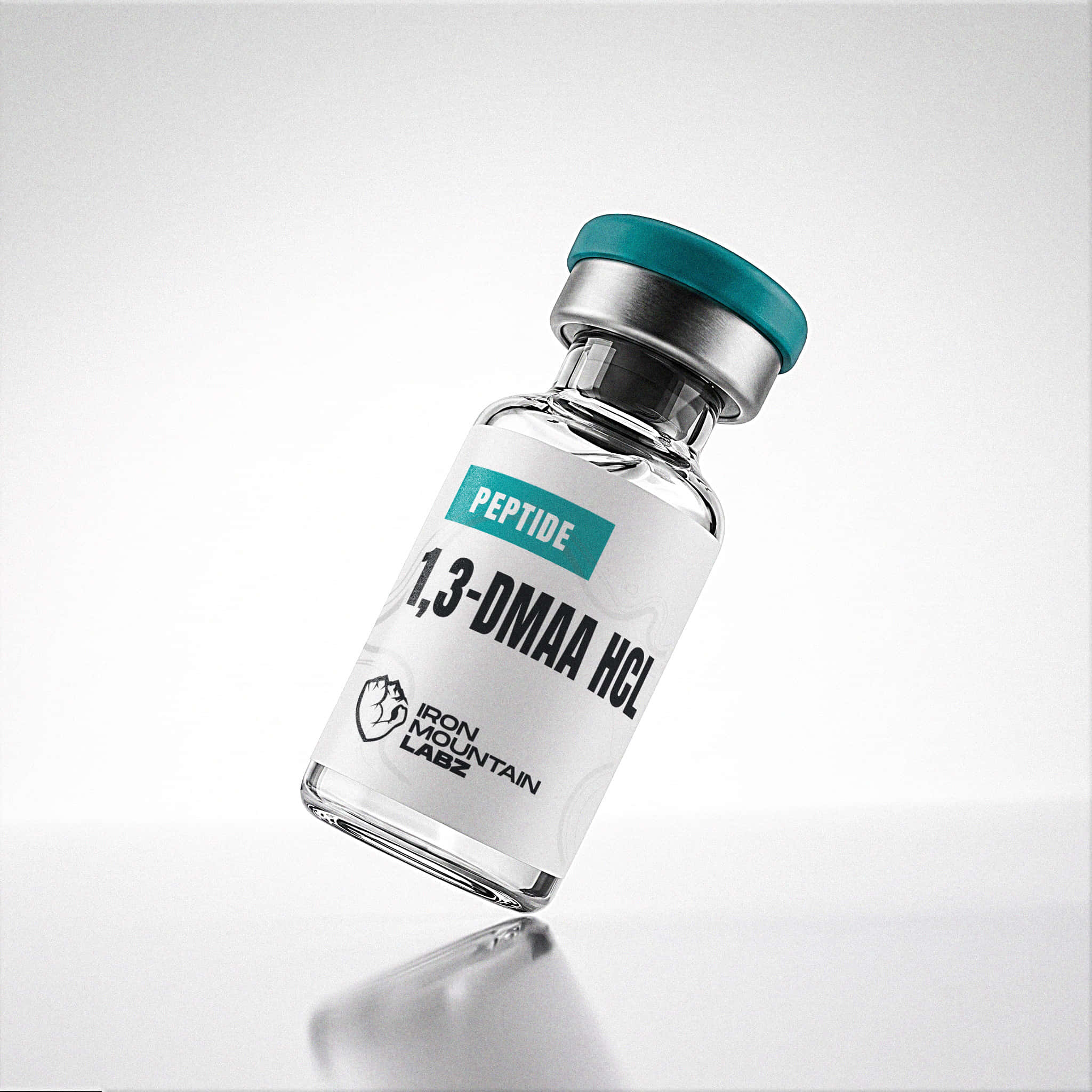
1,3-DMAA HCl
Research Overview
1,3-DMAA HCl (1,3-dimethylamylamine hydrochloride), also known as DMAA hydrochloride or methylhexanamine, is a synthetic stimulant associated with products historically marketed for sports performance and weight management. Its stimulant activity has attracted scientific and regulatory attention, particularly because of concerns about cardiovascular effects and limited evidence establishing a safe level of use.
How It Works
DMAA is associated with stimulant effects and constriction of blood vessels, which can increase blood pressure. Its precise effects depend on factors including exposure, individual susceptibility, and whether it is combined with other stimulants. The available evidence does not establish a safe or appropriate use regimen.
POTENTIAL RESEARCH INTEREST
- Stimulant activity: Investigated in the context of compounds that produce central stimulant effects.
- Cardiovascular response: Research and safety assessments have examined its potential effects on blood pressure and cardiovascular function.
- Combination effects: Particular concern surrounds exposure alongside caffeine or other stimulant ingredients.
- Safety and regulation: DMAA remains a subject of regulatory scrutiny because of reported adverse events and unresolved safety concerns.
These points describe areas of investigation, not established benefits or evidence that DMAA is safe for performance enhancement.
Side Effects and Safety
Reported and suspected risks associated with DMAA exposure include elevated blood pressure, rapid heartbeat, chest tightness, shortness of breath, irregular heart rhythms, and neurological complications. Serious cardiovascular events have been reported in connection with DMAA-containing products, although individual reports do not by themselves establish causation in every case. Combining DMAA with caffeine or other stimulants may increase concern.
DMAA is not an FDA-approved medication, and the FDA considers it an unsafe food additive when used in products marketed as dietary supplements in the United States. This compound should not be presented as an established or safe performance-enhancement option.
Dosage
No established safe or medically approved dosage can be recommended for 1,3-DMAA HCl. Doses reported in supplement marketing or informal sources should not be interpreted as validated safety guidance.
Handling & Safety
For laboratory research only, where lawful. Follow the applicable safety data sheet (SDS), laboratory procedures, and relevant regulations. Avoid exposure and do not ingest or use the material for self-experimentation.
Where to Find 1,3-DMAA HCl
IronMountainLabz provides informational content about research compounds and does not directly sell, stock, or ship 1,3-DMAA HCl. Any linked vendor operates independently and is responsible for its own listings, documentation, transactions, and fulfillment. Verify the compound identity, applicable legal restrictions, and available safety documentation before considering any supplier listing.
Affiliate Disclosure
IronMountainLabz is an informational affiliate directory, not a product seller. Links on this page may lead to independent third-party vendors and may generate a referral commission. Any purchase or supply arrangement is handled by the selected vendor, subject to its terms and applicable law.
References
- U.S. Food and Drug Administration. *DMAA in Products Marketed as Dietary Supplements.**
- Smith et al. *Four experimental stimulants found in sports and weight loss supplements: 2-amino-6-methylheptane (octodrine), 1,4-dimethylamylamine (1,4-DMAA), 1,3-dimethylamylamine (1,3-DMAA) and 1,3-dimethylbutylamine (1,3-DMBA).**