

Have you been consistent with your diet and exercise, where you count your calories in every move, but the scale just won’t come down? For many people, dealing with their slow metabolism or obesity makes them hang on to fat burning peptides. That’s especially when traditional methods alone aren’t enough to make your dream progress.
This guide is here to complete your knowledge about how peptide treatment can be a great part of your weight management journey. By the end, you will find out how it can help boost your metabolic health, which can eventually get rid of your stubborn body fat. [R]
It works by influencing processes that are tied to your fat metabolism, lipolysis, and fat storage. That’s why fat loss peptides can boost your insulin sensitivity. This can make a big difference if you’re dealing with insulin resistance or issues with your blood sugar control.
You might find other peptides that can manage your appetite, increase your metabolism, or push your body to turn adipose tissue into fuel. Meanwhile, you can get your maximum metabolic optimization once you pair your peptides with a healthy diet and exercise.
Because many peptides can support your muscle preservation, they can help your body composition stay toned. Especially since your abdominal fat and fat cells usually don’t respond well to traditional dieting alone. [R]
If you’re still hesitant about trying it to burn your fat, then you might want to check out how the top peptides for weight reduction may give you:
You might notice that many individuals also experience significant weight loss, improved blood sugar, and better overall metabolic health. However, this usually happens when specific peptides are used as part of their medically supervised peptide treatment protocol. [R]
Semaglutide has now become a go-to label for weight loss. This is because of how it acts as your body’s GLP-1 receptor agonist that can help with your:
It can also affect glucagon and dependent insulinotropic pathways. By lowering your appetite and helping you stick to a calorie-diet, Semaglutide usually leads to average weight loss results in clinical trials. [R]
Ipamorelin works by boosting your body’s natural release of growth hormone. This can also support your body’s human growth hormone activity, which can help with your:
It can also encourage your body to use adipose tissue for energy while supporting your muscle preservation. Don’t forget that Ipamorelin pairs well with a solid fat loss plan. That’s why many users prefer it for its gentler profile and fewer side effects compared to other peptides. [R]
Always remember that when a licensed healthcare provider handles your treatment, most fat burning peptides are considered safe for weight loss. The key is for you to have a proper assessment, dosing, and follow-ups. Having proper guidance is a must if you have hormonal concerns, metabolic issues, or conditions like lipodystrophy.
Since some peptides act as agonists, which can affect your hormone pathways, they still need to be used carefully. This usually comes with a prescription. Although you may be attracted to its benefits, peptides still work best when they only act as a support to your lifestyle changes, not as a replacement. [R]
If you want to get the best weight loss results, then your peptide treatment should be combined with:
Once you combine peptides with your regular diet and exercise, they can work together to further boost your fat burn. This can also improve your metabolic flexibility and long-term weight management, which is easier to keep. [R]
Peptide therapy may be for you if you experience:
However, if you’re trying to find sustainable weight loss that can also address underlying metabolic dysfunction, then you may find it with specific peptides that are available only under medical supervision. [R]
Fat burning peptides can give your fat loss journey a huge push, especially on how they can boost your fat metabolism. Just remember to pair them with proper lifestyle and medical guidance. Don’t forget that risks may worsen if you take it under your own jurisdiction. So even if you’re working with Semaglutide or Ipamorelin, trust that you can see long-term results of your weight loss journey.
They are short chains of amino acids that can interact with receptors controlling appetite, your metabolism, fat breakdown, and your hormonal balance. You might find that some are agonists that regulate digestive hormones. Meanwhile, others can stimulate the release of your growth hormone, enhance lipolysis, and support your reduction of fat cells.
Yes, but only when you use it under the supervision of a healthcare provider, many peptides are considered safe for weight loss, especially those supported by clinical trials.
Peptide therapy can help improve your appetite control, fat oxidation, metabolism, and body composition. That’s why many people eventually experience improved blood sugar control and better metabolic health too.
Semaglutide may cause nausea, digestive discomfort, or appetite changes. Meanwhile, Ipamorelin side effects are usually mild and may include headaches or temporary water retention.
Yes. That’s because many effective peptides, including Semaglutide and Ipamorelin, require a medical prescription to ensure safe dosing and appropriate use. A licensed provider will help you determine which specific peptides are right for your needs.

Many suppliers offer SARMs for research, and it’s easy to feel overwhelmed. One website promises

Introduction Selective Androgen Receptor Modulators (SARMs) have captured the attention of various communities, ranging from


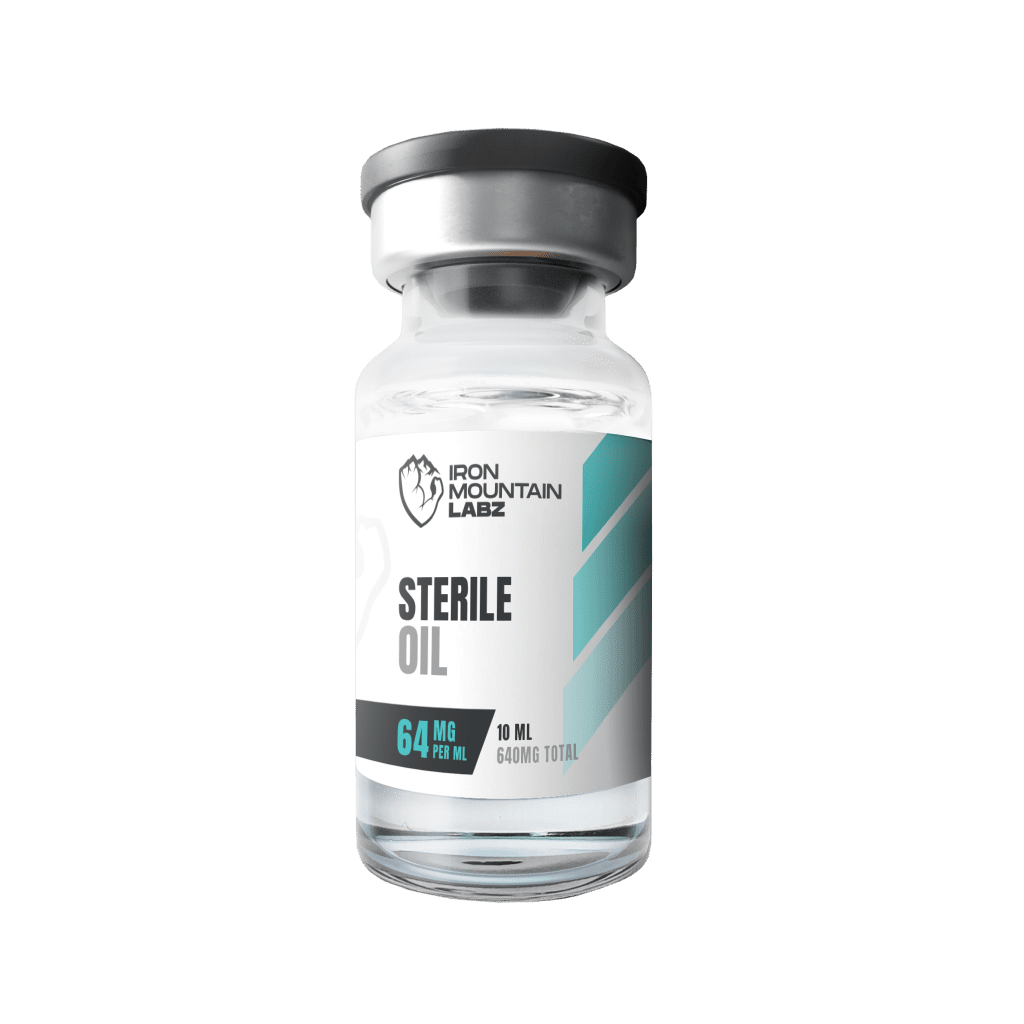
If you experience injection pain, consider purchasing sterile oil. It helps ease discomfort by thinning the compound, making injections smoother.