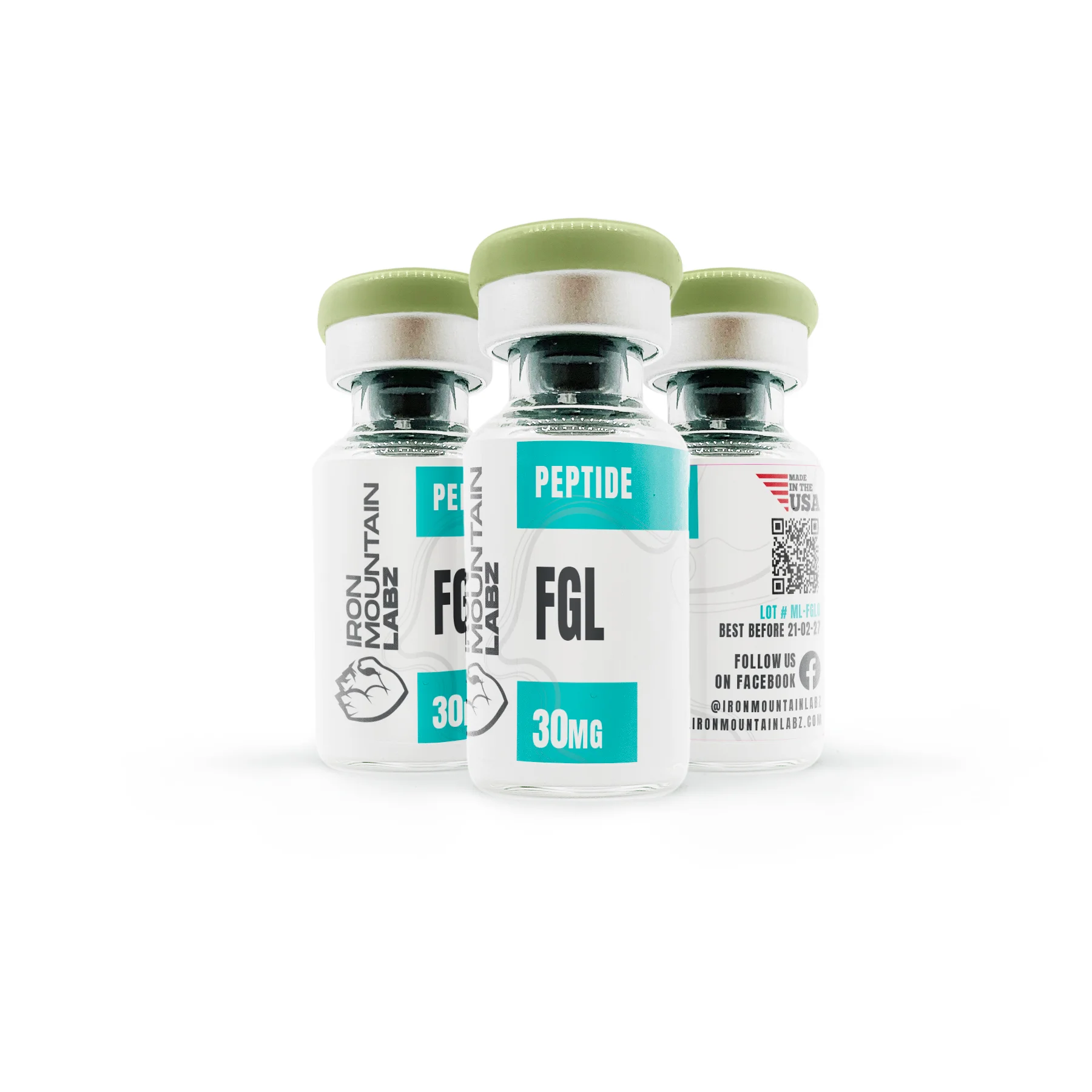


Description
FGL
Disclaimer: The compounds described on this page are intended for laboratory research use only and are not approved for human consumption.
Overview of FGL
FGL is a synthetic peptide fragment. It is derived from the neural cell adhesion molecule. This is a type of protein that can be found on the surface of neurons in nervous system cells.
FGL is being studied for its neuroprotective potential. Additionally, studies show it may have the ability to enhance cognitive function in clinical models.
| Section | Details |
| CAS Number | 499993-62-3 (r) |
| Molar Mass | 1631.78 |
| Chemical Formula | C71H114N20O24 |
| IUPAC Name | N/A |
| Synonyms | FG loop peptide |
| Ingredients / Composition | Lyophilized powder (off-white) in a sterile vial or ampoule. |
| Shelf Life | Once reconstituted, FGL may remain stable for up to 30 days when stored properly. |
| Storage Instructions | Once reconstituted, store in the refrigerator (2–8°C or 36–46°F). |
| Disclaimer | This product is intended for research use only and is not approved for human or veterinary consumption. |
Why Consider FGL Peptide for Research?
Researchers may consider FGL Peptide based on its intended research application, available specifications, and supporting documentation.
- Emerging research potential: Research highlights FGL’s potential to signal NCAM pathways, giving it a strong foundation for future scientific research.
- Neuroprotection Potential: FGL shows promise in clinical models to aid brain cell recovery relating to injury, stress, and aging.
- Potential for Synaptic Plasticity: Research shows FGL may have the potential to promote improved synaptic connections. This may improve memory and learning in clinical models.
Researchers may consider FGL Peptide based on its intended research application, available specifications, and supporting documentation.
Frequently Asked Questions (FAQs)
What are the potential research benefits of FGL?
FGL peptide is a subject of study in numerous fields related to neuroscience:
- FGL research investigates mechanisms of learning and memory at the molecular level of clinical models.
- It is studied as an adjunct potential therapy in neurodegenerative disease models.
- The research is investigating brain healing and synaptogenesis, both in vivo and in vitro.
Is FGL legal?
FGL is legal for research purposes. The FDA has not approved it for human or veterinary use. Further studies are required to determine its effectiveness.
What is the shelf life of FGL?
FGL in lyophilized form typically has a shelf life of up to 2 years. However, this depends on how the peptide is stored.
What is the half-life of the FGL peptide?
Animal studies have found the FGL peptide to have a relatively short plasma half-life in vivo. Generally reported to be around 20-30 minutes.
IML Affiliate Disclosure
Some links on IML may connect readers with third-party suppliers through affiliate arrangements. IML may receive compensation from qualifying transactions at no additional cost to the reader, but the third-party supplier remains responsible for the actual sale, fulfillment, and product documentation.