
If you’re looking into testosterone therapy, you’re not alone. Many people are exploring this option today as a way to address low testosterone levels. Testosterone therapy can play a significant role in improving testicular function. It can boost libido and support overall well-being. When low testosterone creeps in, it can lead to a variety of symptoms that affect everything from mood to energy. That’s typically when people start asking the right questions. People typically shift their focus from immediate fixes to more comprehensive, well-informed solutions. [R]
That’s where Gonadorelin and HCG come into play. These two hormones are essential when it comes to hormone therapy. Each plays a unique role in helping maintain testicular function and testosterone levels. We’ll break it all down for you. We will be explaining how each hormone functions. Highlight their differences, and discuss how they are applied in real-life care.
Gonadorelin is a synthetic analog of GnRH (gonadotropin-releasing hormone). A natural hormone produced by the hypothalamus gland. Unlike GnRH, which is released in pulses, gonadorelin is designed to mimic this natural release pattern. It does this in a controlled manner to support the body’s natural hormonal balance. [R]
Gonadorelin stimulates the pituitary gland to release LH (luteinizing hormone) and FSH (follicle-stimulating hormone) [R]. That’s how it can signal your testes [R]. This process can help you maintain a healthy testicular function that can eventually support your body’s intratesticular testosterone production in a natural feedback loop [R].
Gonadorelin is usually administered via injection, but you might notice that in rare cases, it may be given intravenously in specific medical settings. [R]
HCG is a hormone primarily associated with pregnancy. But it has several medical applications. Additionally, it supports fertility and helps manage testosterone levels in men. It’s also commonly used as part of a testosterone replacement program. To maintain your testicular function and prevent testicular shrinkage during your therapy. [R]
Unlike gonadorelin, HCG bypasses the hypothalamus and pituitary. HCG directly stimulates the Leydig cells in the testes. Which triggers an increase in testosterone production. This stimulation leads to an increase in testosterone production. This direct action is effective for raising testosterone levels quickly. So it’s a helpful, useful tool if you’re looking for something that can manage your low testosterone levels and fertility. [R]
Always remember that with gonadorelin, the action is indirect. It can stimulate your hypothalamus to release GnRH (gonadotropin-releasing hormone) [R]. That’s how it can trigger your body’s release of LH (luteinizing hormone). The pituitary gland then releases FSH (follicle-stimulating hormone). These hormones then signal the testes to create testosterone and boost sperm production [R]. This indirect action helps maintain the body’s natural feedback systems. Which allows for a more controlled and balanced hormonal response.
With HCG, the action is direct. HCG bypasses the brain’s signaling system, which can directly stimulate the Leydig cells in your testes [R]. That’s how they can make testosterone independently in your hypothalamic-pituitary-gonadal axis. This can frequently lead to quicker increases in your testosterone levels [R].
Both hormones can ultimately support your testosterone production; they still do it through different mechanisms. So you might notice that they also result in different effects on your body.
With Gonadorelin, timing is key, so your treatment is usually given in pulses. This can mimic your body’s normal hormone release. It might also help keep your hormone levels stable and support your body’s natural feedback systems.
Meanwhile, the dosage for HCG is typically less complex. Because HCG’s effects are more immediate, it is given less often. Although this can streamline your treatment process, you must still have careful monitoring to maintain levels within a clinically appropriate range. [R]
It may help you to avoid testicular atrophy by maintaining regular signaling to your testes. This is especially due to how gonadorelin can help preserve your healthy testicular activity and function. [R]
No therapy is without potential drawbacks, since both gonadorelin and HCG have their unique advantages. That’s why careful monitoring is key if you want to achieve the best results.
Gonadorelin may cause mild injection site irritation, such as redness or discomfort at the injection site. This is typically not adverse effects; they are just temporary and resolve on their own after a short period. [R]
HCG may cause you several side effects, such as water retention, mood swings, acne, and increased estrogen levels. These happen because HCG can influence the hormonal balance in your body. Meanwhile, water retention and mood swings are common, and acne may be caused by your hormonal changes. [R]
However, if you notice a rise in your estrogen levels, then it would be best for you to have regular monitoring and, if necessary, management through other medications.
Don’t forget that HCG’s stimulation of your estrogen receptors can lead to increased estrogen levels [R]. That’s why medications like clomiphene (a selective estrogen receptor modulator) are usually prescribed to help control your estrogen levels and prevent unwanted side effects.
| Feature | Gonadorelin | HCG |
| Action | Indirect works through your brain | Direct acts straight on your testes |
| Target | Pituitary gland | Leydig cells in the testes |
| Speed | Gradual, natural rise | Fast boost in testosterone levels |
| Fertility | Supports spermatogenesis | Strong support for testosterone and sperm |
| Use in cycle therapy | Common | Common |
| Risk of shutdown | Low | Higher |
Always remember that even if Gonadorelin and HCG are both valuable tools in hormone therapy, they still serve different purposes. Gonadorelin can support your brain-to-testes signaling, while HCG can directly stimulate your testes.
So if you’re seeking the best option, then always consider your specific goals, lab results, and medical history. But if you want a more precise tracking of your testosterone levels and treatment progress, then working with a reliable lab like Iron Mountain Labz can make all the difference. Most importantly, don’t forget to consult a qualified provider to ensure the best approach for you.
Yes. Both gonadorelin and HCG are sometimes used in clinical settings to manage early or delayed puberty. They can help balance your gonadal function and keep your testosterone levels or estrogen in check as part of a hormone therapy plan.
Yes. Take note that even if you’re already on testosterone replacement therapy or using Gonadorelin or HCG, it’s still important to maintain a healthy lifestyle. You can do your part with proper exercise, diet, sleep, and stress management, which can help keep your hormone levels in check.
Both gonadorelin and HCG can interact with other meds, especially those that can affect your hormone levels, like clomiphene (a selective estrogen receptor modulator) or steroids. You just have to be sure to tell your doctor about all the medications you’re taking. This can help them adjust your doses and avoid any issues, especially if you’re on testosterone replacement therapy.
When you’re using them correctly, HCG and Gonadorelin can help preserve your fertility. However, your long-term use without proper supervision could affect your gonadal and hormone production. This might impact your fertility over time.
Currently, both Gonadorelin and HCG are usually given as injections, either under the skin or into the muscle. Meanwhile, if you don’t like injections, you can consult your doctor or clinic about other alternatives. Iron Mountain Labz offers nasal spray versions of these products.

Introduction Selective Androgen Receptor Modulators (SARMs) have captured the attention of various communities, ranging from
Peptides are biomolecules that can lose their strength and structural integrity when stored under inappropriate



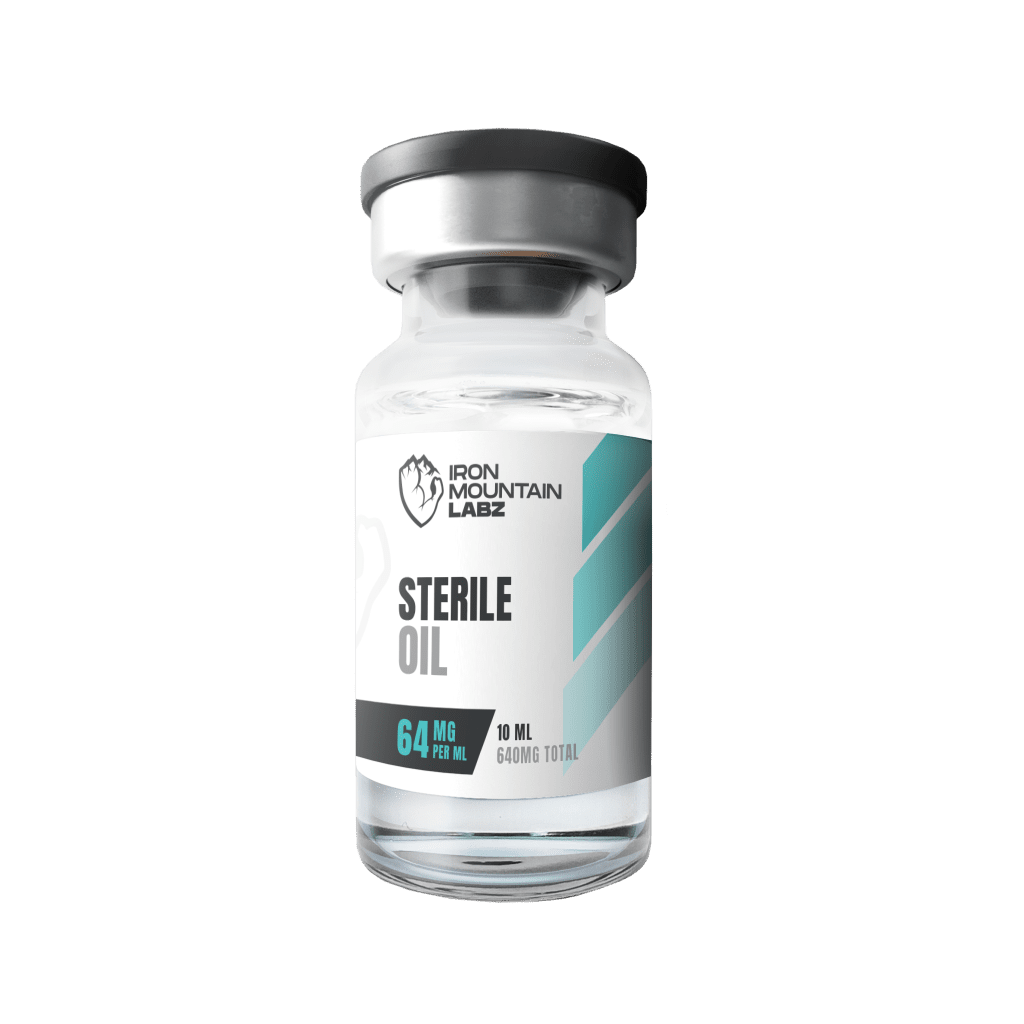
If you experience injection pain, consider purchasing sterile oil. It helps ease discomfort by thinning the compound, making injections smoother.